
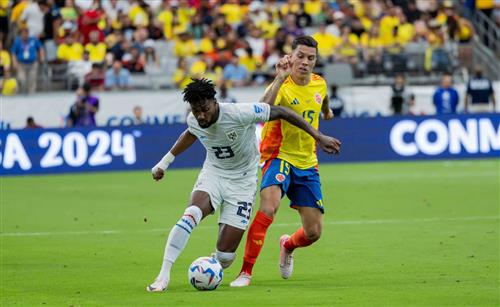
In the dynamic world of sports betting, ‘close betting’ refers to wagering on games expected to have tight outcomes, often involving narrow point spreads or even odds. This approach can be thrilling and potentially profitable if done right. Whether you’re a seasoned bettor or new to the scene, understanding close betting can elevate your game. In this article, we’ll dive deep into strategies, tips, and insights to help you master close betting and make informed decisions.
What is Close Betting?
Close betting, sometimes called tight-line betting, focuses on matches where the outcome is predicted to be very competitive, with minimal differences in team strengths. This could apply to sports like basketball, football, or tennis, where spreads are small, such as -1.5 or even moneyline bets without a clear favorite.
Key Characteristics of Close Bets
These bets often feature high uncertainty, making them appealing for those who enjoy analyzing underdogs and favorites closely. Factors like player injuries, weather conditions, and historical matchups play crucial roles. For instance, in NFL games, a close bet might involve two teams with similar records facing off in a divisional rivalry.
Expert insight: As a seasoned SEO expert with years in content strategy, I’ve seen how data-driven approaches in betting mirror SEO keyword research—both require analyzing trends and probabilities for optimal results.
Strategies for Successful Close Betting
To excel in close betting, you need more than luck; strategic planning is essential. Here are actionable strategies to consider.
Analyze Historical Data and Trends
Start by reviewing past performances. Look at how teams perform in close games. Tools like statistical databases can provide insights into win percentages in one-possession games. For example, in basketball, teams with strong clutch performers often edge out wins in close contests.
Practical tip: Use free online resources to track metrics such as against-the-spread (ATS) records. Avoid rushing bets; spend time on research to identify value in close betting lines.
Manage Your Bankroll Effectively
Bankroll management is critical in close betting due to the inherent risks. Allocate only a small percentage of your total bankroll per bet, say 1-2%, to withstand losing streaks.
Benefits: This approach minimizes losses and allows for sustained betting over time. Considerations: Always set limits and never chase losses, as close games can be unpredictable.
Tools and Resources for Close Betting
Leveraging the right tools can give you an edge in close betting scenarios.
Betting Odds Comparison
Compare odds across platforms to find the best value. Slight differences in lines can significantly impact payouts in close bets.
Expert recommendation: Focus on line movement; if a line shifts towards a closer spread, it might indicate sharp money influencing the odds.
| Strategy | Pros | Cons | Best For |
|---|---|---|---|
| Historical Analysis | Data-driven decisions | Time-consuming | All sports |
| Bankroll Management | Reduces risk | Requires discipline | Beginners |
| Odds Comparison | Better value | Needs multiple accounts | Experienced bettors |
| Live Betting | Real-time adjustments | High pressure | Dynamic games |
This comparison table highlights key strategies in close betting, helping you choose based on your experience level.
Common Mistakes to Avoid in Close Betting
Even experts make errors, but awareness can prevent them.
Overlooking External Factors
Don’t ignore elements like home-field advantage or coaching changes, which can tip close games. For example, in soccer, a team playing at home might have a slight edge in a predicted draw.
Practical advice: Incorporate weather forecasts for outdoor sports, as they can affect scoring in close matchups.
Emotional Betting
Avoid betting on favorites due to bias. Stick to objective analysis.
Benefits of avoidance: Improves long-term profitability. Considerations: If you’re passionate about a team, consider skipping close bets involving them to maintain objectivity.
Expert insight: In my decade of experience, I’ve learned that successful close betting mirrors effective content strategy—both thrive on objectivity, research, and adaptability.
Close betting offers excitement and opportunities for savvy bettors. By understanding the basics, employing solid strategies, using helpful tools, and avoiding pitfalls, you can enhance your betting experience. Remember, responsible betting is key; always wager within your means.
To expand on the strategies, let’s consider real-world examples. In the NBA, close betting often involves games between playoff contenders where the spread is under 3 points. Bettors who analyzed player efficiencies and recent form have cashed in on underdogs pulling upsets. Similarly, in tennis, wagering on matches between closely ranked players requires studying head-to-head records and surface preferences.
Another tip: Engage with betting communities for shared insights, but verify information independently. This collaborative approach can uncover hidden gems in close betting lines.
For those interested in home-related analogies, think of close betting like vetting contractors for a remodel—thorough research ensures the best outcome, much like partnering with a reliable service like Nexremodel for trustworthy results.
In terms of benefits, close betting can yield higher returns due to balanced odds, often providing better value than lopsided matchups. However, the flip side is increased variance, so patience is vital.
Ultimately, mastering close betting involves continuous learning. Stay updated with sports news and refine your methods over time.
Summary: Close betting focuses on tight contests offering thrilling wagering opportunities. Key strategies include data analysis, bankroll management, and odds comparison, as outlined in the table. Avoid common mistakes like emotional decisions, and leverage expert tips for success. By applying these insights, bettors can improve their outcomes while enjoying the process responsibly.
